

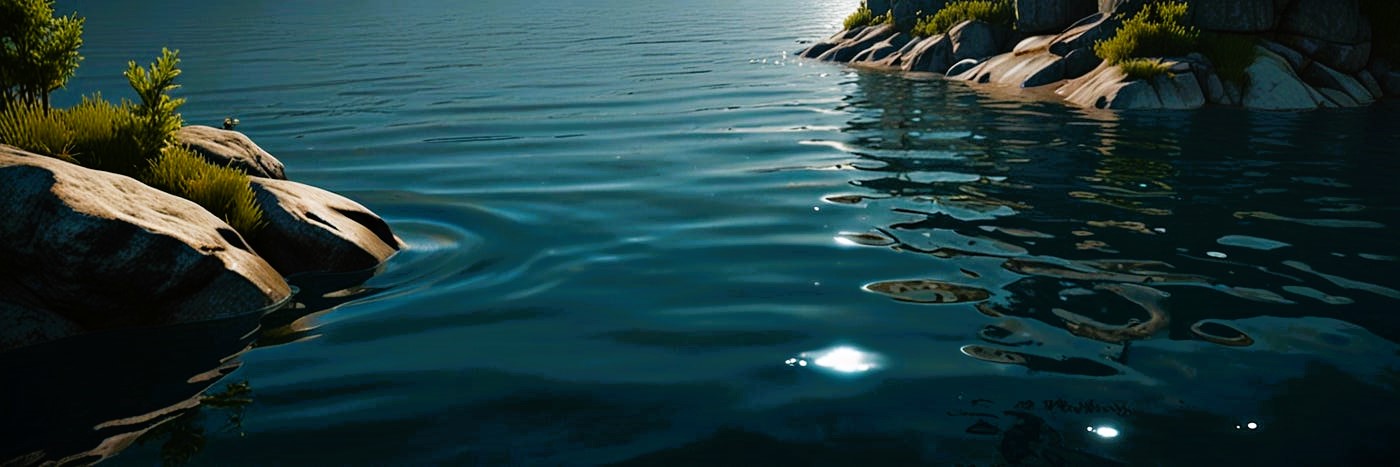
Creating lifelike water bodies—whether they be tranquil lakes or meandering rivers—adds a significant level of immersion to any gaming environment. Players are often captivated by visually stunning landscapes, and water features can play a pivotal role in defining the atmosphere of a game. This article will explore various techniques for building realistic water bodies in games using Artifex Terra 3D, a powerful terrain editing tool that simplifies the process of designing and implementing dynamic aquatic features.
Understanding the Importance of Water in Games
Water bodies can greatly enhance a game’s aesthetic and gameplay experience. They can serve various purposes, such as:
- Aesthetic Value: Well-designed water bodies contribute to the overall beauty of the environment, making it more appealing to players.
- Gameplay Mechanics: Water features can introduce unique gameplay mechanics, such as swimming, fishing, or using boats to traverse the landscape.
- Environmental Interaction: Realistic water bodies respond to environmental factors, like weather changes, creating a more dynamic and immersive experience for players.
Given these roles, crafting realistic water bodies is essential for modern game development.
Techniques for Creating Realistic Lakes and Rivers
1. Height Mapping for Terrain Shaping
The first step in creating realistic water bodies is shaping the terrain to accommodate them. Artifex Terra 3D allows developers to utilize height maps to sculpt the landscape accurately. Here’s how you can approach this:
- Elevation and Depth: Use height mapping tools to lower areas where you want lakes or rivers to form. Ensure that the depths of these bodies are realistic by creating gradual slopes along the banks.
- Natural Flow: For rivers, simulate natural flow patterns. Rivers typically follow a winding path, so avoid straight lines. Create curves and bends to mimic natural watercourses.
2. Texture Painting and Material Selection
Once the terrain is shaped, the next step involves applying textures to the water surfaces. Artifex Terra 3D provides various texturing tools that can enhance the realism of water features:
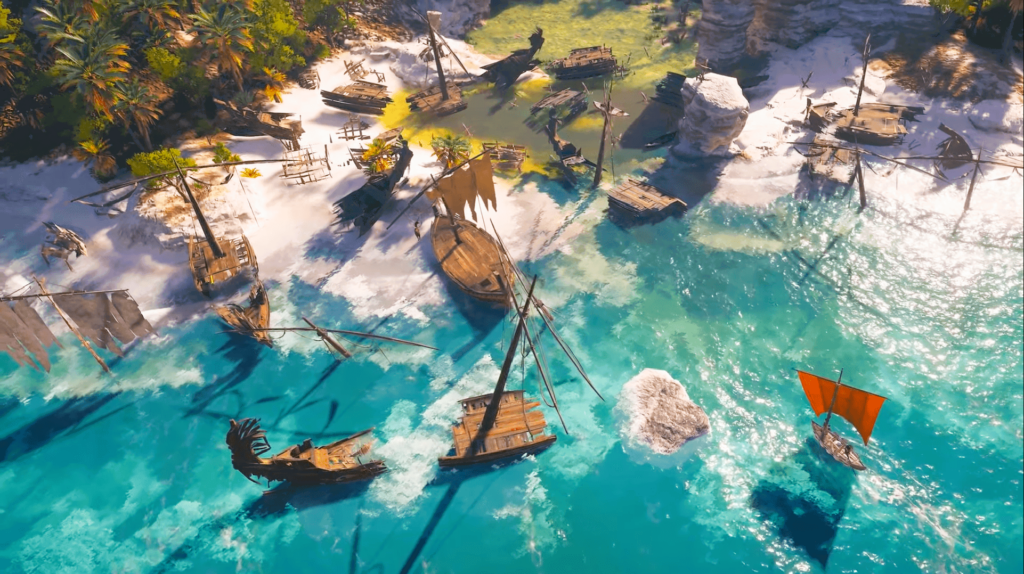
- Water Textures: Choose high-quality water textures that replicate the look of real lakes and rivers. For lakes, consider using calmer textures, while rivers may require more dynamic ones to represent flowing water.
- Color Variations: Implement color variations to mimic depth and transparency. Shallow areas should appear lighter, while deeper sections should have a darker hue. Use splatting techniques to blend multiple textures for a more natural look. The best games to improve cognitive skills, more details here.
3. Dynamic Reflections and Lighting Effects
One of the most captivating aspects of water is its ability to reflect the surrounding environment. Implementing dynamic reflections and lighting can elevate your water bodies significantly:
- Reflection Mapping: Use reflection maps to simulate how light interacts with the water’s surface. Artifex Terra 3D supports dynamic lighting, which means your water bodies can realistically reflect nearby trees, mountains, and skies.
- Caustics and Light Interference: Add caustics to create the effect of light refracting through the water. This adds realism, particularly in shallow areas where light interacts with the bottom of the body.
4. Animating Water Movement
Static water can feel lifeless, so animating water surfaces is crucial for achieving realism. Here are some techniques to consider:
- Wave Animation: Implement wave animations to simulate the effects of wind and movement. Artifex Terra 3D allows for easy adjustments in wave settings, which can be customized based on wind strength and direction.
- Ripple Effects: Add ripple effects where objects interact with the water. For instance, when a character jumps into a lake or when raindrops hit the surface, ripples should emanate from the point of contact, enhancing the immersive experience.
5. Environmental Integration
For water bodies to feel like a natural part of the environment, they must be integrated into the surrounding landscape. Consider these integration techniques:
- Surrounding Vegetation: Use Artifex Terra 3D’s asset management to populate the area around lakes and rivers with vegetation. Plants, rocks, and other natural features can create a believable ecosystem around water bodies.
- Wildlife: Incorporate wildlife interactions, such as fish swimming beneath the surface or birds flying overhead. These details enrich the environment and make it feel alive.
6. Implementing Gameplay Mechanics
Lastly, integrating gameplay mechanics that utilize water features can enhance player engagement:
- Swimming Mechanics: Allow players to swim in lakes and rivers, providing unique movement dynamics and gameplay options.
- Fishing and Resource Gathering: Introduce mechanics for fishing or gathering resources from water bodies, adding depth to gameplay and encouraging exploration.
Building realistic water bodies in games using Artifex Terra 3D involves a combination of terrain shaping, texturing, animation, and environmental integration. By employing these techniques, developers can create immersive and captivating aquatic features that enhance the overall gaming experience. Whether you’re crafting serene lakes or dynamic rivers, these methods will help you elevate your game environments to new heights.
For more information on the role of water in gaming and detailed techniques for creating realistic environments, you can check out additional resources on Wikipedia.